Engage and Develop Teams
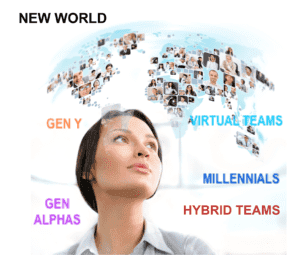
It is a new world in leading teams. Today’s number one challenge involves improving the functioning of virtual and hybrid teams whose members are multi generational. Gen Y and newly onboarding Gen Alpha have different expectations – they want to be engaged.
The challenges are not about managing tasks, supervising performance, and tracking outputs. Instead it involves helping members improve their interpersonal team functioning and engage in team growth.
Unless multigenerational, virtual, and hybrid teams stay engaged and function well interpersonally they deteriorate into task groups chasing unending “to-do” lists. When that happens, their performance deteriorates, teamwork erodes, and ultimately talent (especially Gen Y) burns out and leaves.
There is a solution.
We help empower leaders by providing them with tools and techniques to improve the functioning of their teams and engage and participate more fully.The Insight Team Development modules are short, structured team discussion activities that leaders can use themselves (no consultants or HR Staff needed) to engage their teams in improving the team’s functioning.
The Modules are not games, meaningless fluff, or non-work related exercises that are so often used in team building. This program isn’t even team building. It is team development that leads to team engagement.
The Modules help team members engage in meaningful discussions that bring about immediate improvement in their their day-to-day functioning. They help team members discuss and resolve issues before they evolve into conflicts. The Modules improve communication and enhance team participation. And, this creates engagement and retains top performers.
Just in time, just what’s needed.
No certification required, yet in-depth support is provided.

Plus, your organization will grow its next generation of leaders. Virtual and hybrid teams are here to stay. Future leaders will need to have this specialized skill and the tools to work specifically with modern teams and continuously engage them.
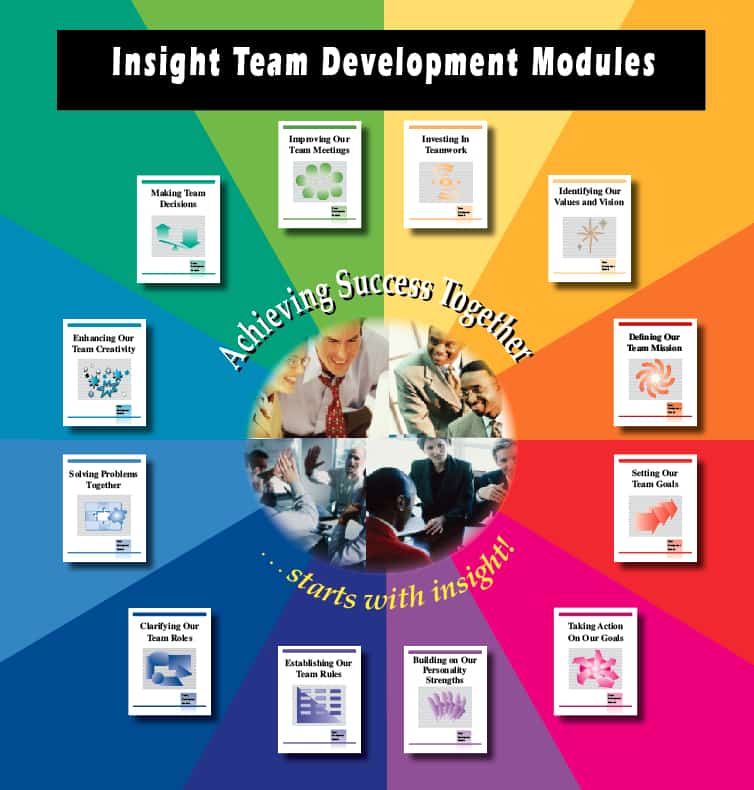
The Insight Team Development Modules are powerful, easy-to-use, structured discussion guides (short 1-2 hours) that team leaders use to engage and improve the functioning of their teams.
As team members become more engaged, they take co-responsibility (along with the leader) for improving their team functioning and this changes the team culture from passive to active.

Choose which version, paper or online, fits your needs.

PAPER
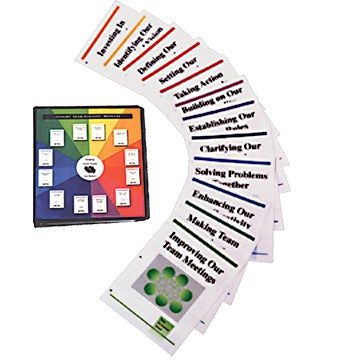
Each module is available in printed booklet with worksheets and user’s guides. These are ideal for in-person team meetings because members can share their results immediately as they complete the modules.
ONLINE
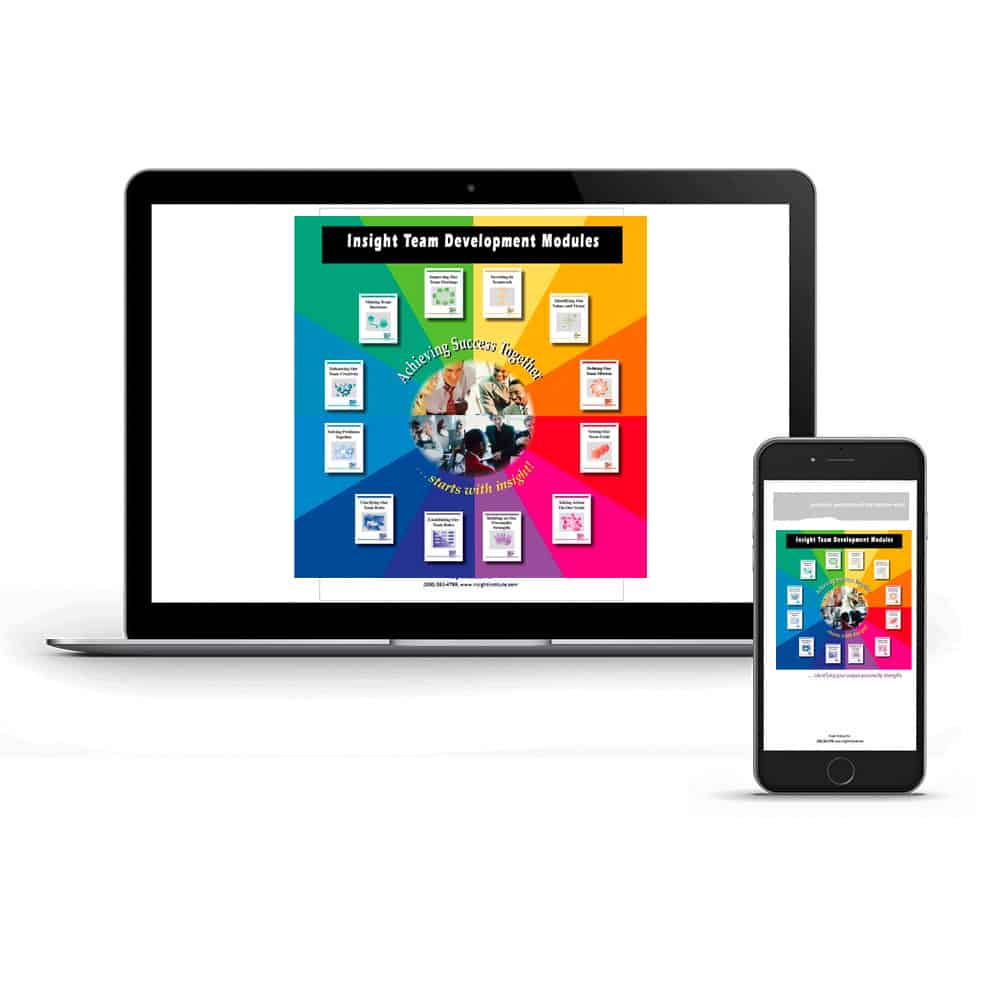
The Modules are also available in interactive PDF format which team members can fill out online. They can do this independently, as time permits, and then share thir results during online virtual sessions.
What are the Modules?
The Modules are a set of structured discussion guides that team members complete together to help improve engagement and functioning. There is a pre-assessment and twelve team competency topics (modules). Each module is a structured three page booklet that provides 5-8 step-by-step discussion activities.
Some of the modules have extra worksheets that provide space for capturing more input or repeating the activity at future dates. Modules usually take no more than an hour or ninety minutes although occasionally if there is a topic the team needs to spend extra attention on they may schedule a follow-up session.
Teams can choose whether to complete one or all of the Modules and they can complete them in any order. It is recommended that they be used as a long term culture improvement but they can be used as a quick-fix for a specific issue.
So the “crux” of the matter is, the modules help leaders better engage their teams by improving team functioning. This happens because conversations actively engage team members in co-participating in the improvement of their team.
What is the difference between team functioning and team effectiveness?
Team effectiveness is all about performance, getting the job done. Team functioning is about communication and teamwork, getting along. Teams can be fairly effective (produce results) but very dysfunctional. This limits what they can achieve together. It creates a ceiling. Teams just cannot reach a highly effective level of performance unless they are also function at a high mark. Most teams in organizations are somewhat effective and moderate or low in functioning. The pathway to improving functioning is different from improving effectiveness. Performance management of outcomes and results is used to improve effectiveness. Team development and team engagement coaching is used to improve functioning. By improving functioning, using tools like the Insight Team Development Modules to engage team members, teams can improve their communtion and teamwork.
How do the Modules work?
In an ideal situation, the team initially decides together which module(s) would be beneficial to compete together first. The optional Assessing Team Functioning Module is a pre-assessment that provides a way to do this. Once the team or the facilitator decides where to begin then each module is worked through in a short hour or two session. It’s usually best to limit this to one module at a time. The intent is not to get them completed as fast as you can, but rather to hear all voices on an issue and invest in getting the most out of each one and then implementing some changes in the way the team works that helps supports what team members agree to do differently.
What is the purpose of the Modules
The Modules develop members’ teaming skills and engage them in a process of continous improvement of communication.All team members and team leaders must be engaged in taking actions that improve team functioning. Leaderd cannot improve or “fix” their teams by themselves. Nor can any one member can not do it alone. Improving team functioning takes the entire team. The purpose of the Modules is to engage all team members in taking responsiblity and contributing to the continuous improvement of their team functioning.